Introduction to Cinema Lighting
Category
Film Art.Session
Session 1: June 15 - June 26.Faculty
What you’ll learn
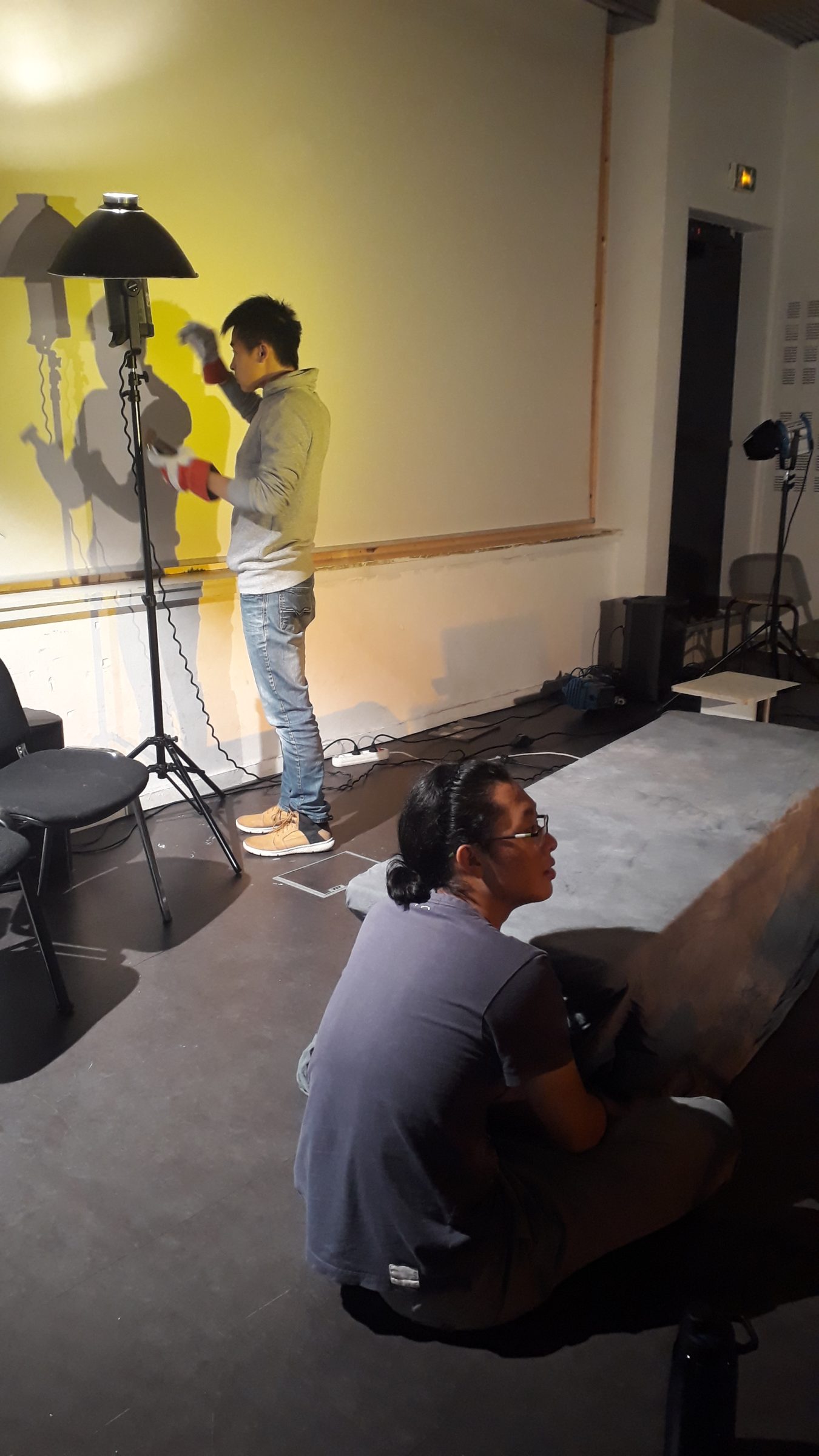
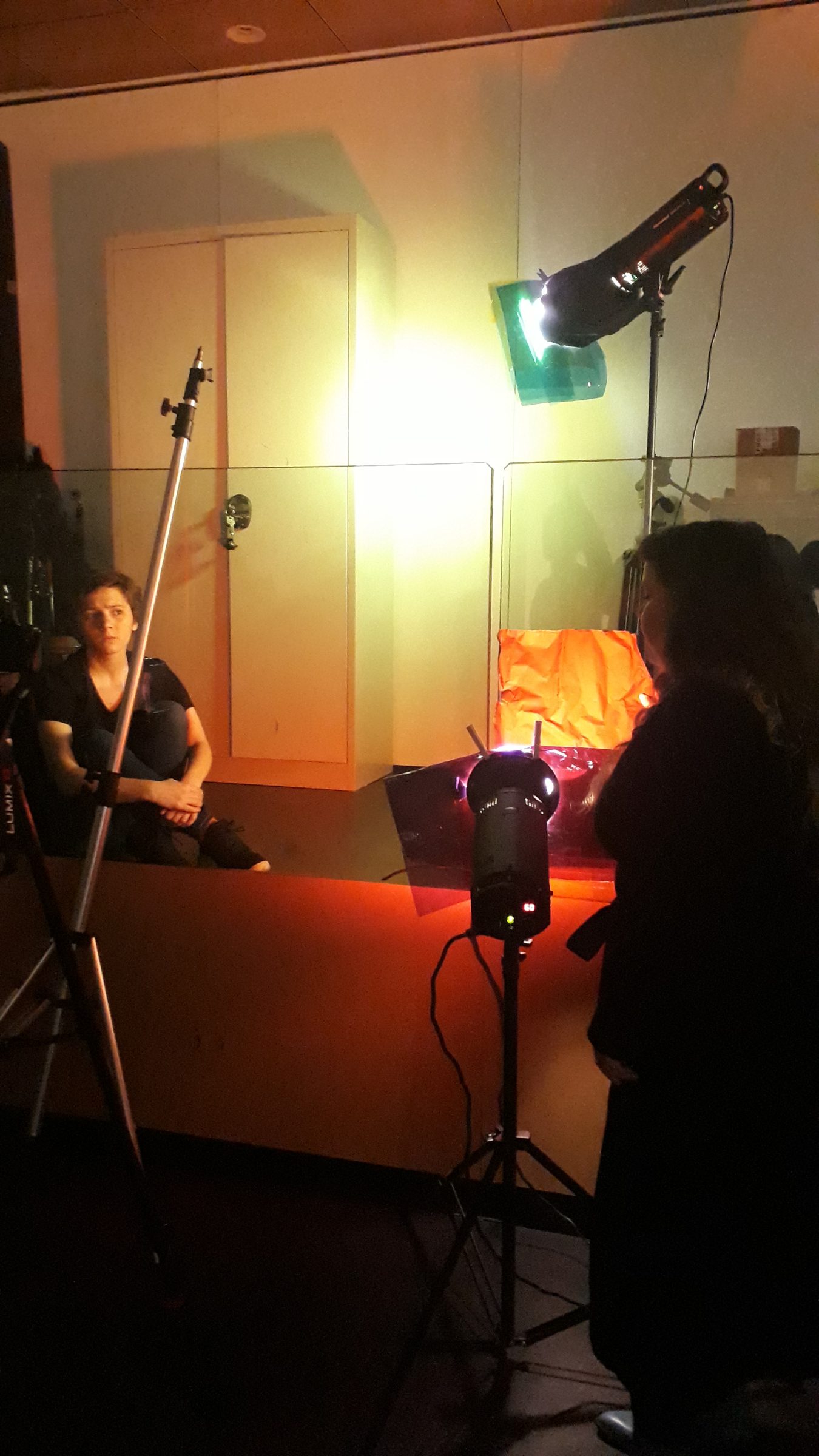
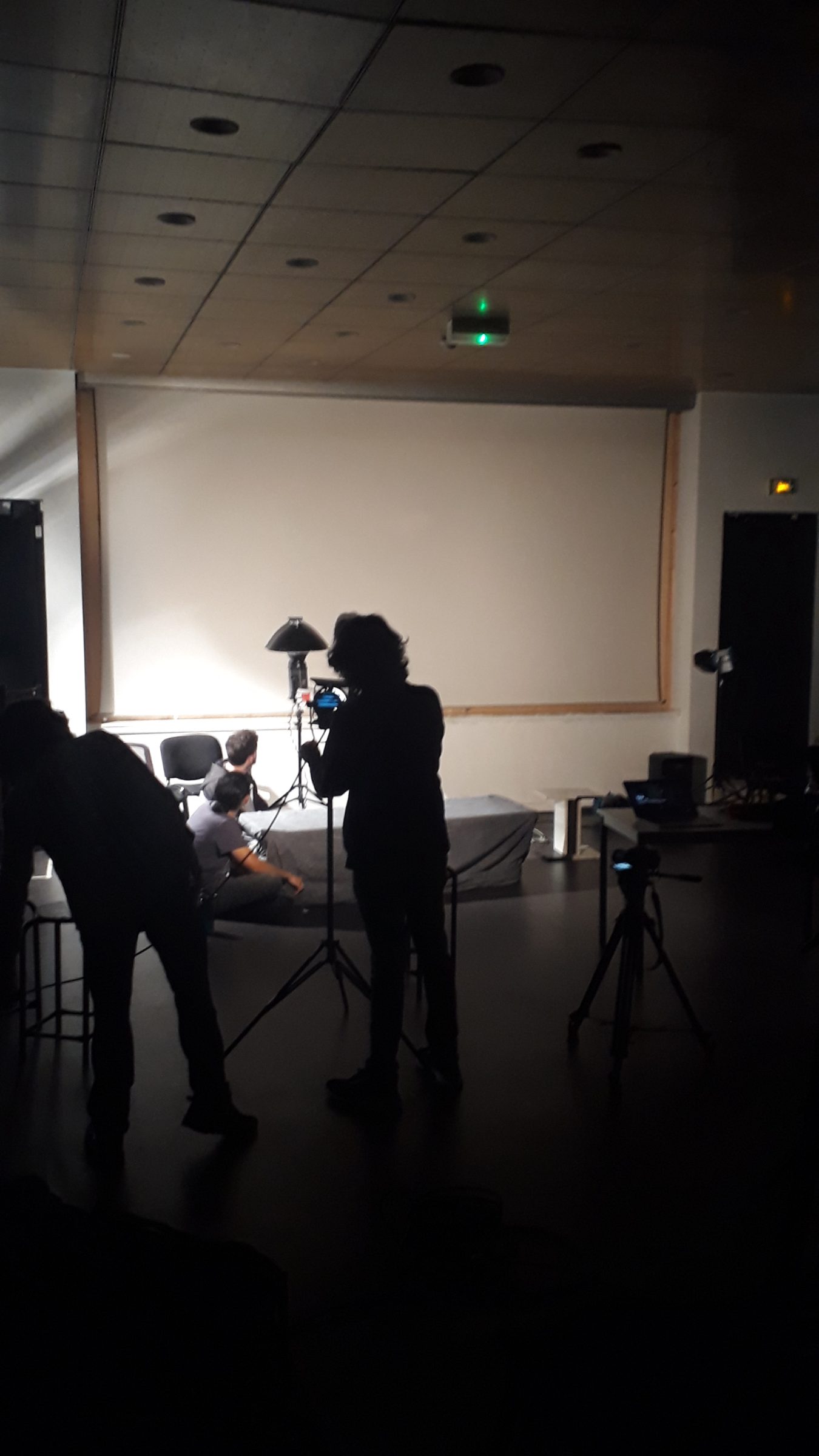
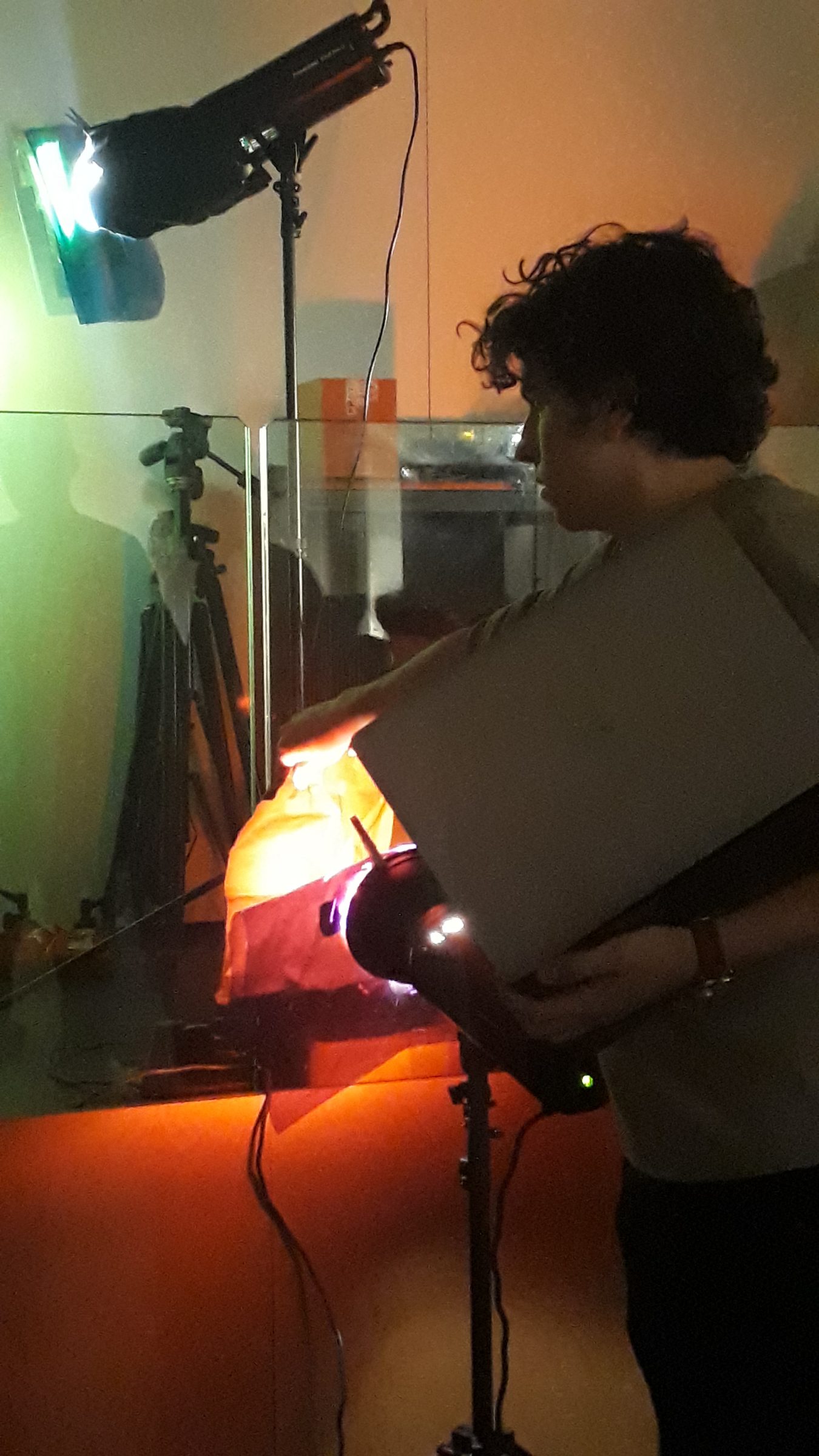
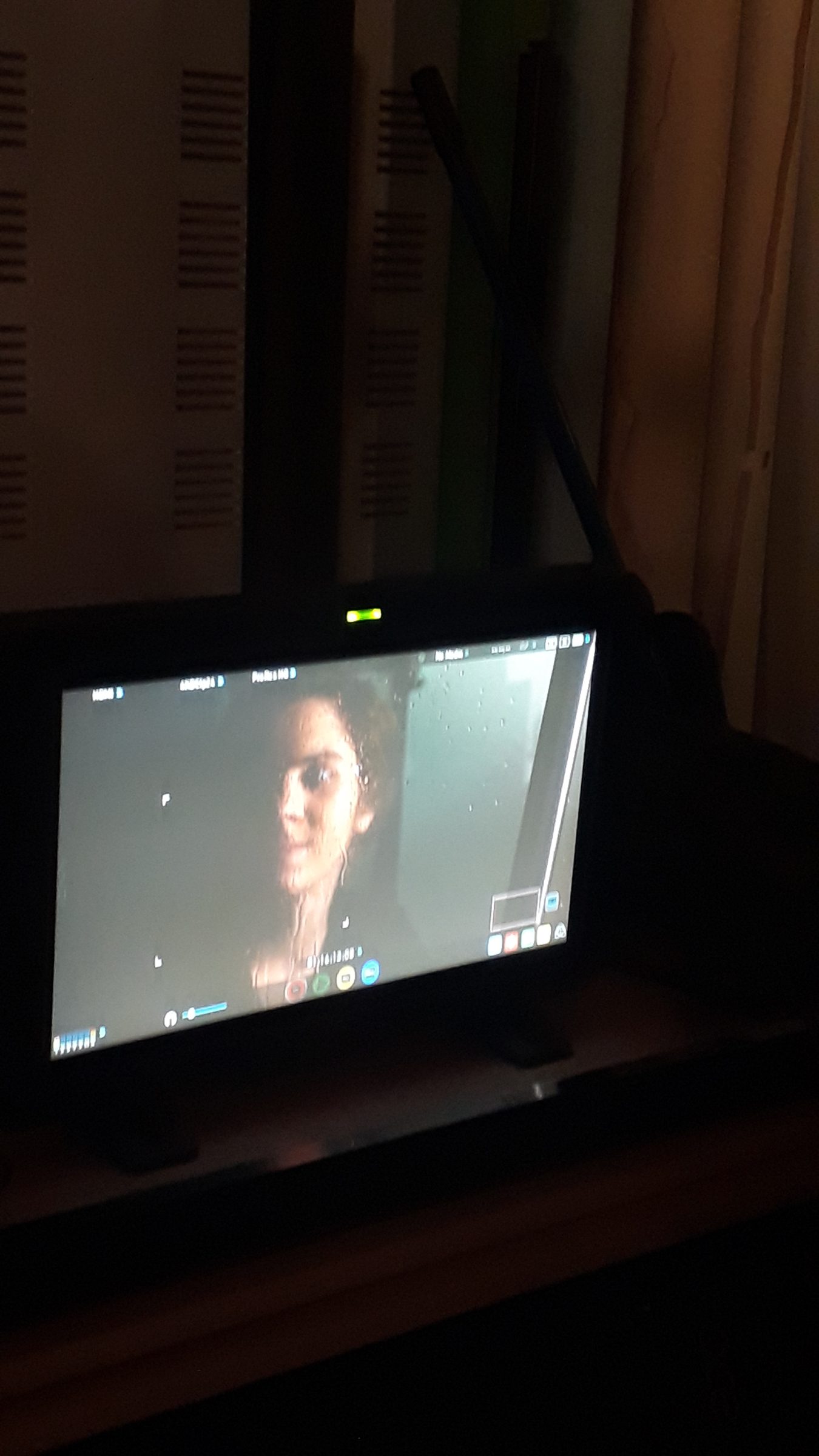
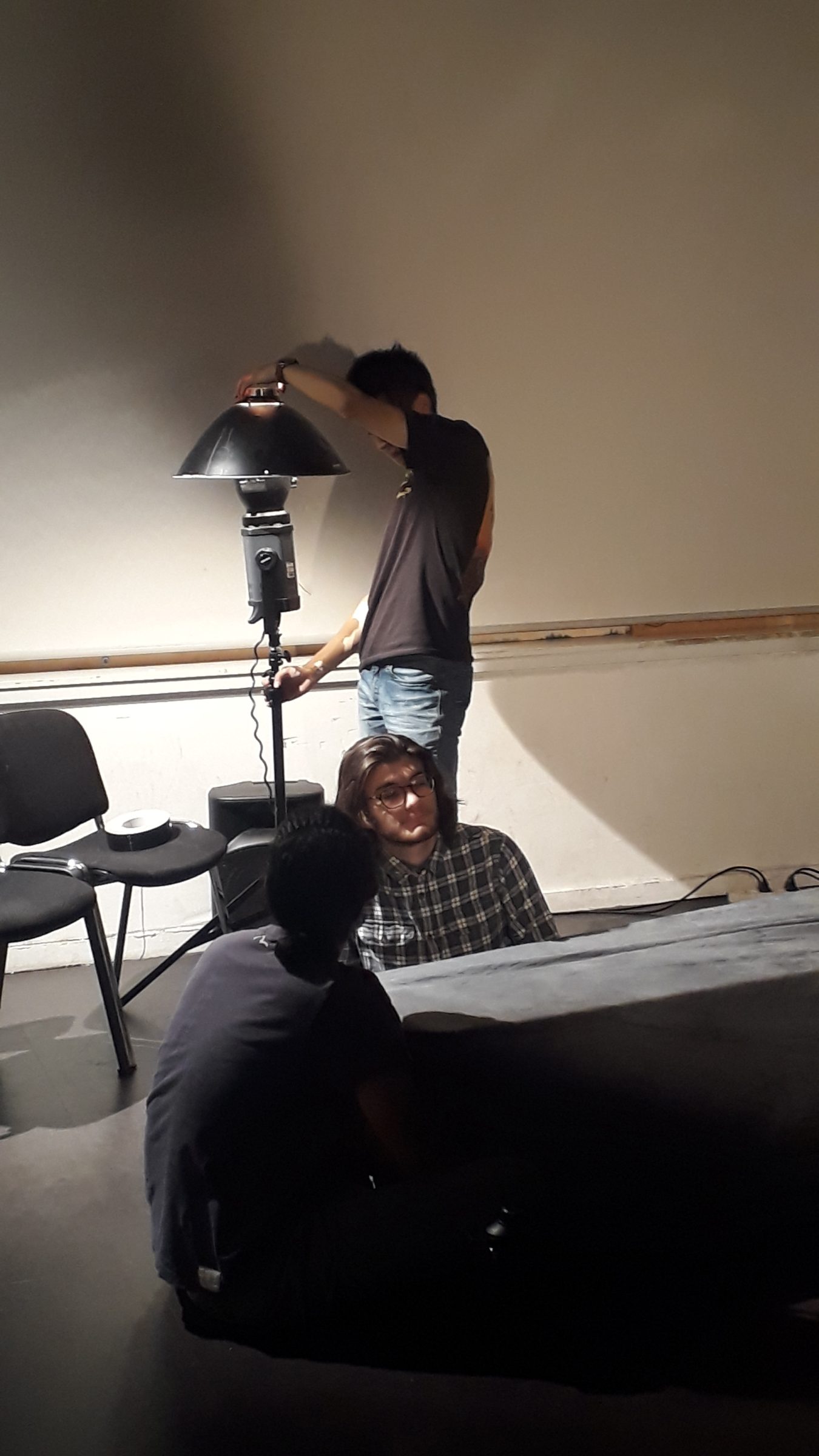
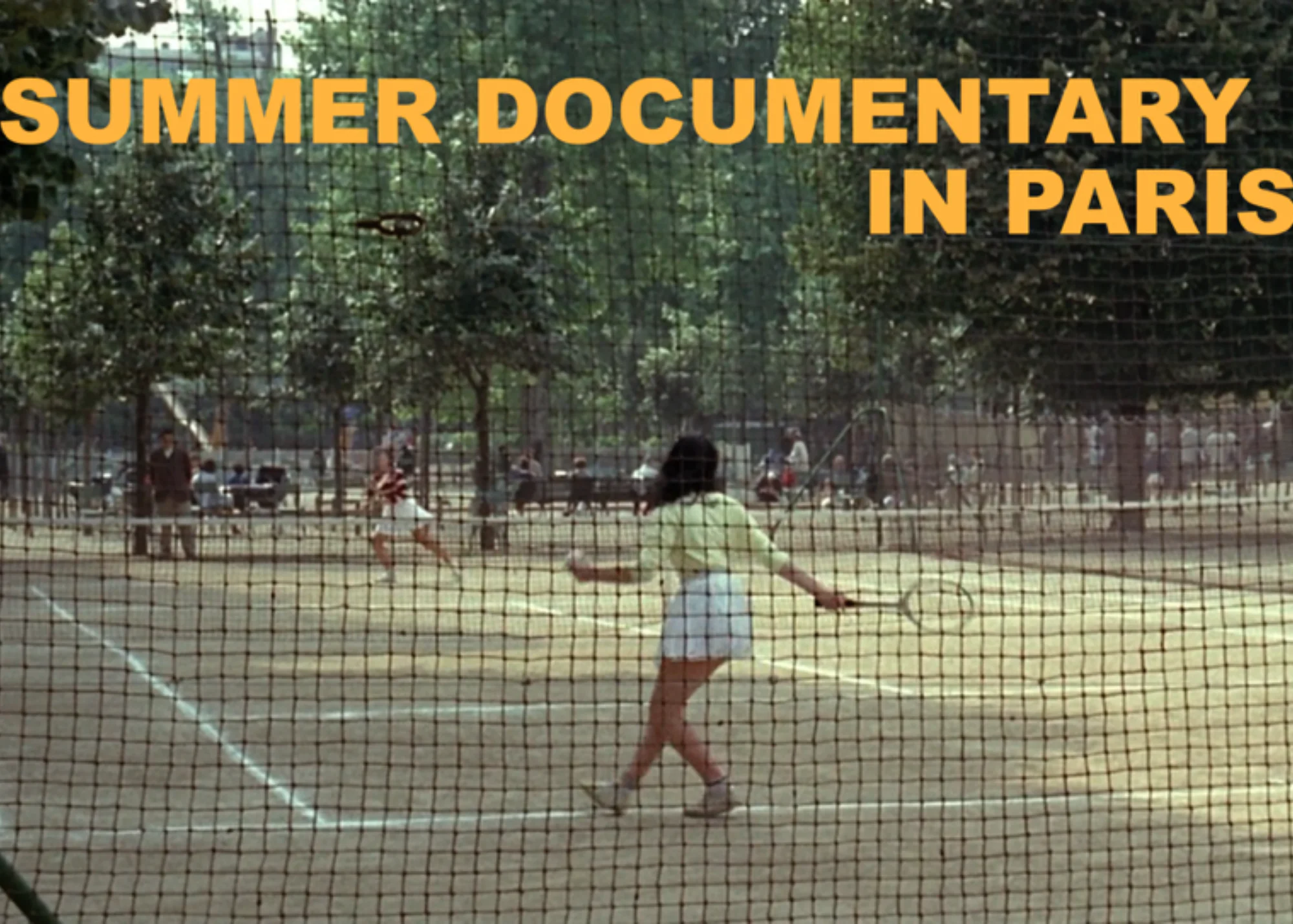
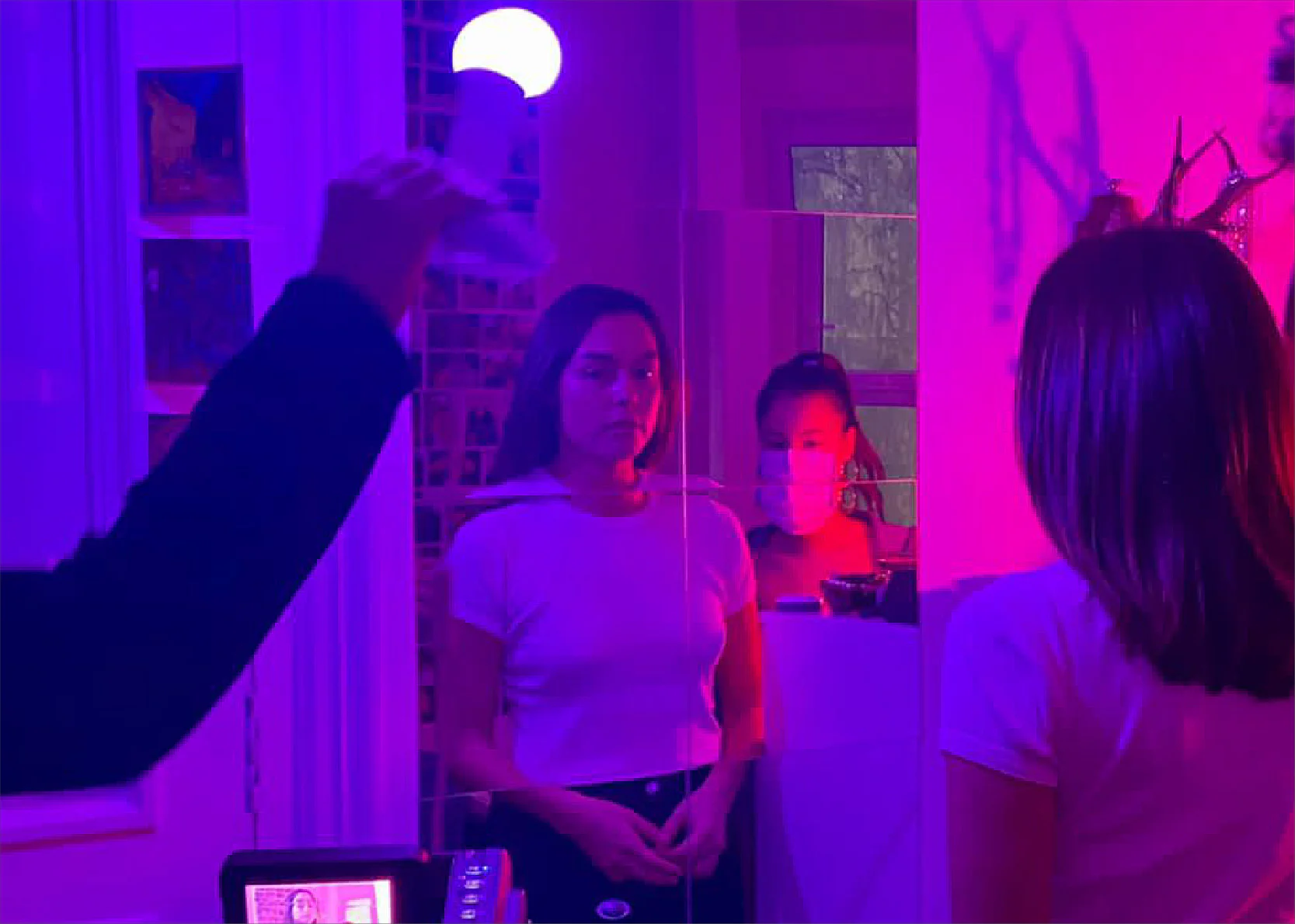
This introductory Lighting Techniques course reveals how light shapes the visual language of cinema. Students will study iconic film excerpts and real-life environments to understand how lighting builds emotion, atmosphere, and narrative meaning. They will learn to create professional lighting setups both in studio and outdoors using industry-standard lights, modifiers, filters, color temperatures, and effect-lighting techniques.
Through hands-on exercises, a lighting diary, and continuous shooting practice, students will develop their ability to craft mood, sculpt subjects, and support camera movement and framing. By the end of the course, they will be able to design cinematic lighting setups, operate equipment safely, and use light as a storytelling tool.
Places You May Explore
Studio environments, nearby Parisian streets and neighborhoods for observational lighting exercises, contemporary art or film institutions such as the Cinémathèque Française, independent cinemas, and museums like Palais de Tokyo or other relevant spaces depending on weather and screenings.
Supplies
While PCA provides the essential tools for the class to run, students provide their own supplies. A list of required materials will be shared on the summer student portal before the start of the program. Expenses for supplies are estimated at between €30 to €150.
Course highlight
• Learn to use professional lighting equipment, modifiers, and digital exposure tools.
• Study how lighting influences narrative, mood, and character through film analysis.
• Practice indoor and outdoor setups, including B&W lighting, daylight techniques, book lighting, and mixed sources.
• Keep a lighting diary to sharpen your visual awareness and develop your cinematic eye.
• Collaborate as a crew to recreate lighting from selected film scenes and build a cohesive final project.
Prerequisites
A genuine interest in cinema, a minimum age of 17, and basic experience using a digital or film camera (not including smartphones). Students must be ready to work safely, collaborate as a film crew, and engage with hands-on technical practice.
When
Session 1 (June 15 – June 26), Monday – Friday, 9am – 5pm
Tuition Cost
Early Bird Rate (before January 31): 3 Credit: €2,500 | Audit: €1,700
Standard Rate (after January 31): 3 Credit: €2,900 | Audit: €1,950
Bundles
2 classes = 5% off tuition fees
3 classes = 10% off tuition fees